
If you are interested in our products or would like to learn more information, please Contact Us

 Language




 Language

May. 29, 2026
When it comes to defining flooring solutions, many buyers wonder whether area rugs are truly considered flooring. This question often arises due to the various uses and placements of area rugs in different environments. In this article, we will explore the definition of flooring, the role of area rugs within that definition, and specific benefits they provide. By addressing common misconceptions and offering data-driven insights, you can make an informed decision. Key to our discussions will be understanding how area rugs complement various types of flooring and their impact on aesthetics, functionality, and comfort.
To determine if area rugs are considered flooring, we first need to define what flooring is. Flooring generally refers to the permanent materials applied to the floor of a room. However, the classification of area rugs can be nuanced:
Permanent flooring includes materials like hardwood, tile, and laminate, which are fixed in place. In contrast, area rugs are often considered temporary since they can be removed or relocated. Nevertheless, they contribute significantly to the overall design and functionality of a space.
Area rugs serve multiple purposes in home and commercial settings. Here are key functional roles:
One key benefit of area rugs is their ability to provide warmth and softness underfoot, especially in spaces with hard flooring surfaces.
Area rugs can help absorb sound, making spaces quieter and more comfortable, which is particularly beneficial in open-concept layouts.
Rugs can reduce slipping hazards on slippery floors, providing a safer environment for adults and children alike.
Another vital aspect of area rugs is their aesthetics, which can dramatically influence a room's ambiance. Here’s how:
Area rugs add color and texture, creating focal points and defining spaces within a room.
They are excellent for layering with other flooring materials, enriching redundancy in design and enhancing visual appeal.
When considering the use of area rugs, a few practicalities come into play:
Area rugs require regular maintenance, including vacuuming and spot cleaning, which may vary based on the material used.
The durability of area rugs depends on their material composition, with natural fibers often providing greater longevity than synthetic counterparts.
| Feature | Area Rugs | Permanent Flooring |
|---|---|---|
| Flexibility | High, can be changed easily | Low, fixed materials |
| Cost | Varies, generally lower | Higher installation costs |
| Installation | No installation required | Professional installation needed |
| Variety | Extensive styles and designs | Limited to material types |
Different environments may benefit from the use of area rugs differently, such as:
In homes, rugs help define living areas, especially in open layouts, and can complement furniture arrangements.
In offices and retail environments, area rugs help create welcoming spaces and direct foot traffic, all while enhancing design.
In conclusion, while area rugs may not be classified as flooring in the traditional sense due to their temporary nature, they play a critical role in enhancing the function and aesthetic of both residential and commercial spaces. Their ability to add comfort, design versatility, and safety features makes them an integral part of any flooring strategy. As you consider your options, remember that area rugs can significantly complement your existing flooring, adding both value and style to your space.
Explore the wide range of carpets, rugs, and mats available at YINGYUE to find the perfect match for your flooring needs!

Latest News
May. 29, 2026
When it comes to defining flooring solutions, many buyers wonder whether area rugs are truly considered flooring. This question often arises due to the various uses and placements of area rugs in different environments. In this article, we will explore the definition of flooring, the role of area rugs within that definition, and specific benefits they provide. By addressing common misconceptions
May. 28, 2026
Choosing the right flooring material can be daunting, especially when considering maintenance requirements. In today's fast-paced world, busy homeowners and property managers often look for flooring solutions that minimize upkeep while providing beauty and functionality. This article explores the easiest flooring types to maintain, including tiles, laminate, vinyl, and carpet. Through data-backed
May. 28, 2026
When exploring flooring options, the significance of a comprehensive evaluation cannot be overstated. Many homeowners and commercial space managers face common pain points when selecting the right flooring. The need for durability, aesthetic appeal, and maintenance ease are vital considerations. Tile flooring, increasingly available through Carpet Rug Mat Tile Wholesale suppliers, offers a robust
May. 28, 2026
Floor mats are essential tools in both residential and commercial spaces, serving a multitude of purposes from enhancing safety to improving aesthetics. Generally, floor mats are designed to protect flooring, offer comfort underfoot, and provide cleanliness by trapping dirt and moisture. Their value extends beyond practical uses, making them an integral element for businesses aiming to create
May. 28, 2026
Introduction
May. 27, 2026
Choosing the right floor covering can be a daunting task, especially for those unfamiliar with options like carpets, rugs, vinyl, and tiles. With so many types available, it's essential to understand their features, benefits, and ideal use cases. This guide outlines the different types of floor coverings, helping you find the best solution for your needs.
May. 25, 2026
In the world of flooring and interior design, understanding the distinctions between carpet, rug, mat, and tile is crucial for making informed choices that enhance aesthetic appeal and functionality. Each of these flooring options serves specific purposes within residential and commercial spaces. A carpet typically refers to wall-to-wall fabric covering, whereas a rug is a smaller, movable
May. 26, 2026
When it comes to enhancing your home, choosing the right flooring or covering—be it Custom Carpet, Rug, Mat, or Tile—can be a daunting task. Many homeowners are often left asking common questions like: What is the most durable option? How do they perform in different rooms? What are the cost implications? This article aims to address these concerns by comparing the pros and cons of each type,
Apr. 27, 2026
Mixing tiles with other flooring materials is a practical and modern design approach. It helps define spaces, improve functionality, and create visual contrast in homes and commercial interiors. When done correctly, the transition between materials feels natural and improves both aesthetics and usability.
Apr. 16, 2026
Carpet installation looks simple on the surface, but small mistakes during preparation or fitting can lead to wrinkles, uneven surfaces, early wear, and even costly replacement. A properly installed carpet should stay tight, smooth, and durable for years, but that depends heavily on correct installation practices.
Contact Us
If you are interested in our products or would like to learn more information, please Contact Us
Tel.: +86 188 3411 2020
E-mail: grace@hbyingyue.com
Our knowledgeable team is here to help
Our team is made up of experienced experts who can't wait to help you find the right solution for your business.
Related Products
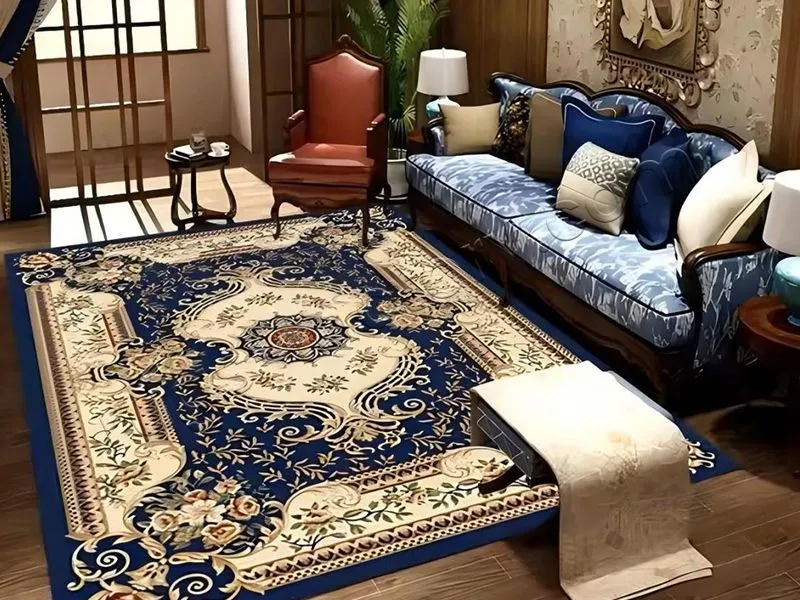
Modern Living Room Carpet Hot Selling Crystal Velvet
YINGYUE is a professional manufacturer specializing in high-quality Crystal Velvet Carpets that combine elegance, comfort, and durability. Our carpets are made from premium polyester crystal velvet fibers, providing a soft, elastic, and long-lasting texture that is comfortable underfoot.
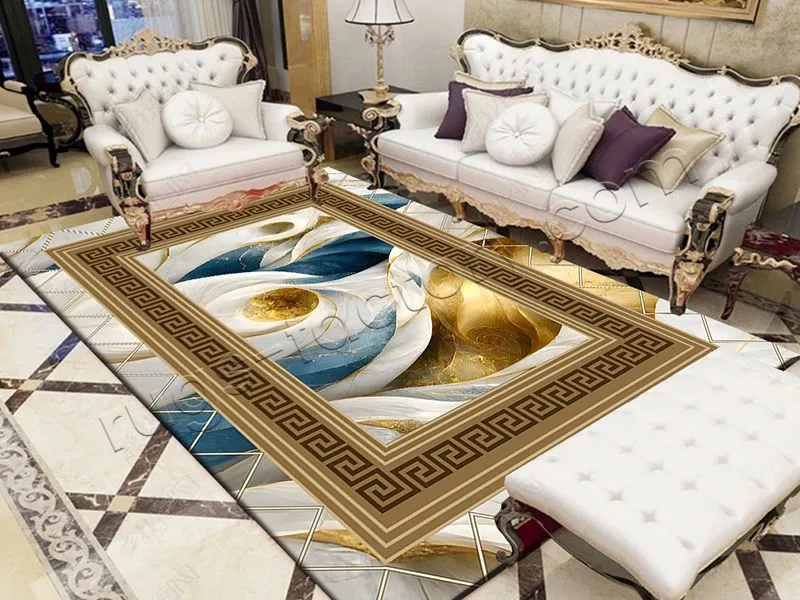
Gold Diamond Velvet Non-Slip Carpet Can be Used for Different Areas
YINGYUE is a professional manufacturer specializing in the production of Gold Diamond Velvet Carpets, offering elegant and durable flooring solutions for various commercial and residential settings.

Velvet Carpet Crafted From Durable Polyester for Lasting
This is a kind of comfortable, wear-resistant and durable velvet carpet, which is used digital printing.
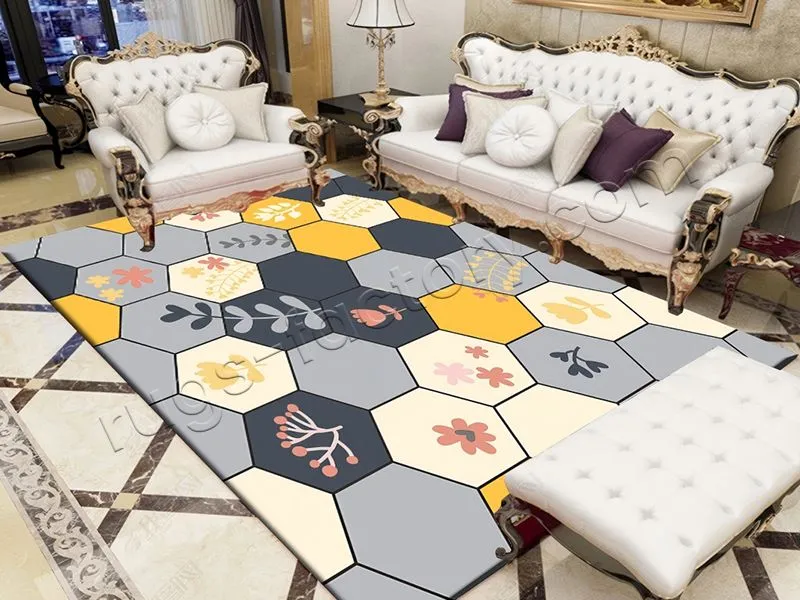
Modern Abstract Crystal Velvet Carpet
This type of carpet is widely loved and welcomed by young people due to its rich patterns.

The Geometric series of carpets are widely used in various home scenarios, such as living rooms, bedrooms, studies, etc.

YUEJIA kitchen floor mat is a practical household item. It is mainly used on the kitchen floor and has multiple functions such as anti-slip, water absorption and wear resistance.

Ours bathroom mat is specially designed for bathroom environments, mainly serving to prevent slipping, absorb water, and keep the bathroom dry and clean.

The irregular-shaped floor MATS of YUEJIA have unique advantages in decorating Spaces.

To provide customers with high-quality floor decoration and a convenient installation experience, we have designed and manufactured square carpets.

This plush carpet has a long, delicate pile with a warm brown tone.

