
If you are interested in our products or would like to learn more information, please Contact Us

 Language




 Language

Apr. 16, 2026
Carpet installation looks simple on the surface, but small mistakes during preparation or fitting can lead to wrinkles, uneven surfaces, early wear, and even costly replacement. A properly installed carpet should stay tight, smooth, and durable for years, but that depends heavily on correct installation practices.
Below are the most common carpet installation mistakes and how to avoid them.
One of the biggest mistakes is installing carpet over an unprepared subfloor. Dust, moisture, uneven surfaces, or leftover adhesive can cause long-term problems.
A poor base can lead to:
Uneven carpet appearance
Early wear in high spots
Mold growth in damp areas
Weak adhesion of padding
The subfloor should always be cleaned, leveled, and fully dry before installation begins.
Moisture is one of the most damaging factors for carpet installations. Installing carpet over damp concrete or untreated flooring can cause mold, odor, and fiber damage over time.
Common issues include:
Musty smells
Mold under carpet padding
Warping of carpet backing
Moisture testing should be done before installation, especially in basements or ground floors.
Carpet underlay is often overlooked, but it plays a key role in comfort and durability. Using the wrong type or a low quality pad reduces carpet lifespan.
Problems caused by poor underlay:
Faster flattening of carpet fibers
Reduced comfort underfoot
Poor insulation and noise reduction
Uneven surface feel
The underlay should match the carpet type and room usage.
Incorrect measurements are a frequent cause of visible seams, wasted material, and poorly fitted edges.
Typical mistakes include:
Not accounting for room irregularities
Incorrect seam placement
Cutting without proper allowance
Accurate measurement ensures smooth fitting and reduces visible joins.
Carpet must be properly stretched using the right tools. If it is not stretched enough, it will loosen over time.
Consequences of poor stretching:
Wrinkles and ripples
Loose areas in high traffic zones
Premature wear patterns
Professional installers use power stretchers to ensure even tension across the entire surface.
Seams that are placed in visible or high traffic areas can become obvious over time. If not properly aligned, they may also separate.
Common issues:
Visible lines between carpet sections
Fraying edges
Weak seam bonding
Seams should be positioned strategically and properly heat bonded or glued.
Carpet materials need time to adjust to room temperature and humidity before installation. Skipping this step can cause expansion or contraction after installation.
This may result in:
Tightness changes after installation
Wrinkling or gaps
Uneven fitting over time
Allowing the carpet to acclimate for at least 24 hours helps stabilize the material.
Different rooms require different carpet choices and installation approaches. Installing the wrong type of carpet in a high traffic area leads to faster wear.
For example:
Hallways need denser, low pile carpets
Bedrooms can use softer textures
Living rooms need balanced durability and comfort
Choosing the right carpet for the space is part of proper installation planning.
Carpet installation quality depends on preparation, material choice, and technique. The most common mistakes include poor subfloor preparation, ignoring moisture, using weak underlay, and improper stretching.
When these issues are avoided, carpets last longer, look better, and maintain their comfort and performance over time.
Latest News
Apr. 27, 2026
Mixing tiles with other flooring materials is a practical and modern design approach. It helps define spaces, improve functionality, and create visual contrast in homes and commercial interiors. When done correctly, the transition between materials feels natural and improves both aesthetics and usability.
Apr. 16, 2026
Carpet installation looks simple on the surface, but small mistakes during preparation or fitting can lead to wrinkles, uneven surfaces, early wear, and even costly replacement. A properly installed carpet should stay tight, smooth, and durable for years, but that depends heavily on correct installation practices.
Mar. 24, 2026
There is no carpet that can completely eliminate allergens. However some carpet types are much better at reducing dust, pet dander, and moisture buildup. The best choices focus on low pile height tight fiber construction and easy cleaning performance.
Mar. 12, 2026
Choosing the right tiles for each room affects durability, comfort, maintenance, and overall interior style. Different spaces have different demands—wet areas need water resistance, living areas focus on aesthetics, and outdoor spaces require strength and slip resistance.
Feb. 24, 2026
Mats are one of the most frequently used items in any home or commercial space. They trap dirt, moisture, and debris every day, which means they wear out faster than most flooring textiles. Proper cleaning and maintenance not only keep them looking good but also significantly extend their lifespan.
Feb. 10, 2026
Carpet design in 2025 is moving away from purely neutral, minimal flooring toward more expressive, functional, and sustainable choices. Modern homeowners are focusing on comfort, personality, and eco-friendly materials, while still keeping interiors clean and contemporary.
Jan. 21, 2026
Modern hypoallergenic carpets focus on low fiber retention, moisture resistance, and easy maintenance rather than trying to eliminate allergens entirely.
Jan. 07, 2026
Aircraft carpets play a vital role in enhancing cabin comfort, safety, and overall passenger experience. Designed to meet strict aviation standards, these specialized carpets must deliver exceptional durability, fire resistance, and design flexibility while maintaining lightweight performance.
Dec. 25, 2025
Decorative rugs add character, color, and warmth to living spaces, offices, hotels, and commercial interiors. To keep them looking beautiful and extend their lifespan, proper cleaning and maintenance are essential.
Dec. 10, 2025
Non-slip mats play a crucial role in preventing slips and falls in both residential and commercial environments. From homes and offices to hotels, factories, and public spaces, choosing the right non-slip mat significantly improves safety and reduces accident risks.
Contact Us
If you are interested in our products or would like to learn more information, please Contact Us
Tel.: +86 188 3411 2020
E-mail: grace@hbyingyue.com
Our knowledgeable team is here to help
Our team is made up of experienced experts who can't wait to help you find the right solution for your business.
Related Products
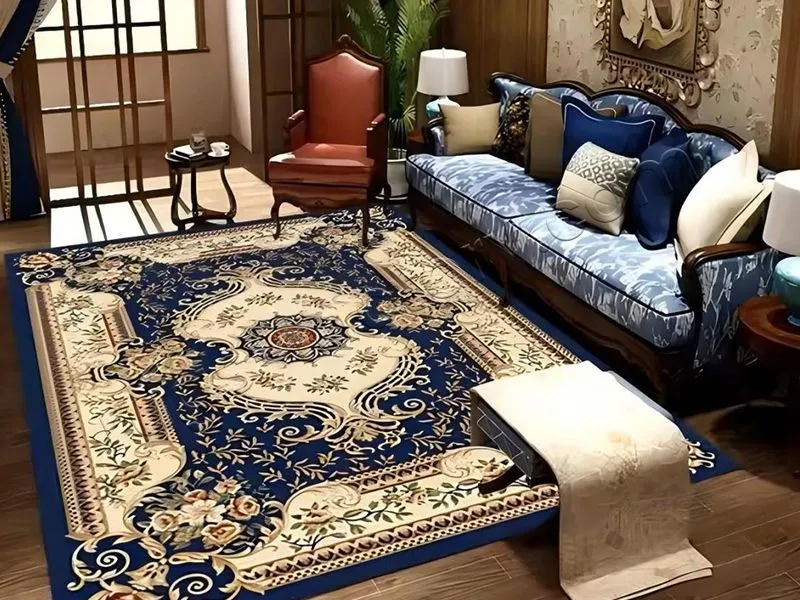
Modern Living Room Carpet Hot Selling Crystal Velvet
YINGYUE is a professional manufacturer specializing in high-quality Crystal Velvet Carpets that combine elegance, comfort, and durability. Our carpets are made from premium polyester crystal velvet fibers, providing a soft, elastic, and long-lasting texture that is comfortable underfoot.
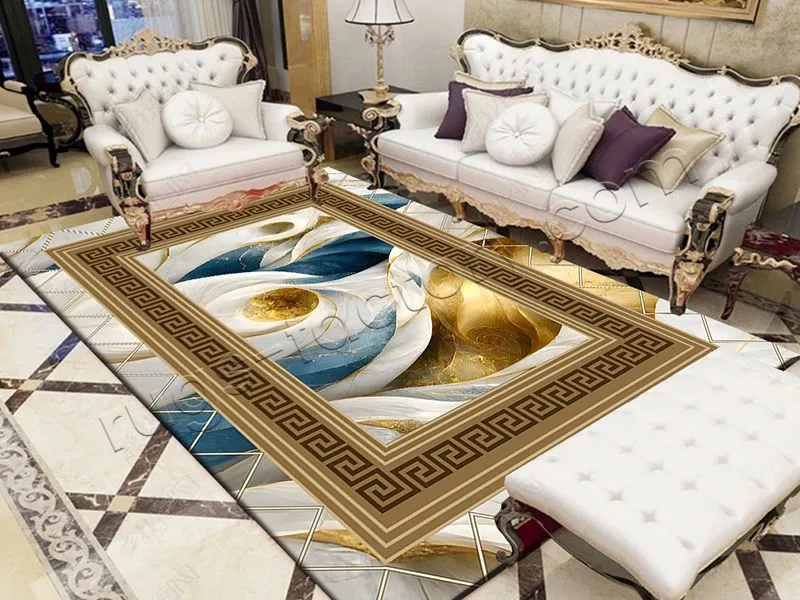
Gold Diamond Velvet Non-Slip Carpet Can be Used for Different Areas
YINGYUE is a professional manufacturer specializing in the production of Gold Diamond Velvet Carpets, offering elegant and durable flooring solutions for various commercial and residential settings.

Velvet Carpet Crafted From Durable Polyester for Lasting
This is a kind of comfortable, wear-resistant and durable velvet carpet, which is used digital printing.
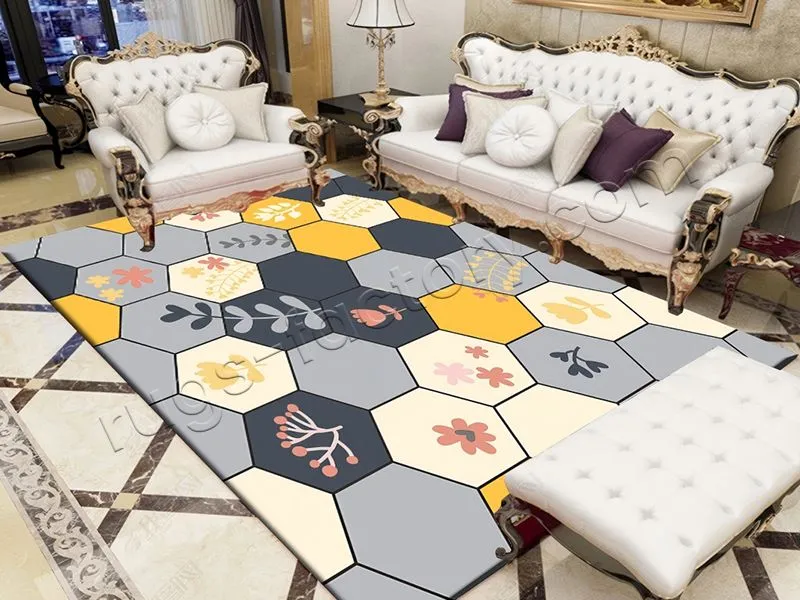
Modern Abstract Crystal Velvet Carpet
This type of carpet is widely loved and welcomed by young people due to its rich patterns.

The Geometric series of carpets are widely used in various home scenarios, such as living rooms, bedrooms, studies, etc.

YUEJIA kitchen floor mat is a practical household item. It is mainly used on the kitchen floor and has multiple functions such as anti-slip, water absorption and wear resistance.

Ours bathroom mat is specially designed for bathroom environments, mainly serving to prevent slipping, absorb water, and keep the bathroom dry and clean.

The irregular-shaped floor MATS of YUEJIA have unique advantages in decorating Spaces.

To provide customers with high-quality floor decoration and a convenient installation experience, we have designed and manufactured square carpets.

This plush carpet has a long, delicate pile with a warm brown tone.

