
If you are interested in our products or would like to learn more information, please Contact Us

 Language




 Language

Apr. 27, 2026
Mixing tiles with other flooring materials is a practical and modern design approach. It helps define spaces, improve functionality, and create visual contrast in homes and commercial interiors. When done correctly, the transition between materials feels natural and improves both aesthetics and usability.
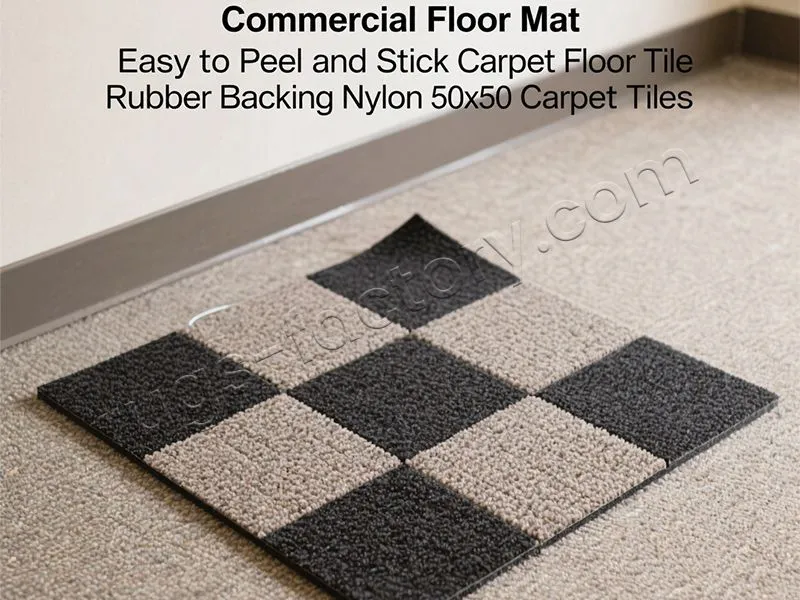
Different rooms have different needs. Tiles are durable and water resistant, while other materials like wood, vinyl, or carpet offer warmth and comfort. Combining them allows each space to perform better based on its function.
Common benefits include:
Clear separation of functional zones
Better comfort in living and sleeping areas
Improved durability in wet or high traffic areas
More flexible interior design styles
This is one of the most popular combinations in modern interiors. Tiles are usually used in kitchens, bathrooms, and entryways, while wood flooring is used in living rooms and bedrooms.
To make the transition smooth:
Use similar color tones between wood and tile
Choose large format tiles to reduce visual fragmentation
Keep grout lines minimal for a cleaner transition
Use transition strips or natural threshold breaks
This combination creates a balance between warmth and practicality.
Tiles paired with carpet is common in residential spaces where comfort is important. Tiles are used in high moisture or high traffic zones, while carpets add softness in private areas.
Typical layouts include:
Tiles in hallways and bathrooms with carpet in bedrooms
Carpet in living areas with tiled dining or kitchen zones
Area rugs placed over tiled floors for flexible design
To improve flow:
Match carpet tones with tile colors
Avoid overly thick carpets near tile edges
Use clean transition edges to prevent tripping
Vinyl flooring works well with tiles because both materials are low maintenance. This combination is often used in kitchens, laundry rooms, and modern apartments.
Best practices:
Choose vinyl with textures that complement tile surfaces
Align plank direction with room layout for continuity
Use neutral tones to avoid visual conflict between materials
This pairing creates a practical and cohesive modern look.
Natural stone and ceramic or porcelain tiles can be combined to create a premium interior feel.
Key ideas:
Use stone in focal areas such as entrances or feature walls
Pair with neutral tiles to avoid visual overload
Maintain consistent color temperature between materials
Because both materials are hard surfaces, balancing texture and tone is important to avoid a cold or heavy appearance.
The transition zone is the most important part of combining flooring types. Poor transitions can make even high quality materials look mismatched.
Effective solutions include:
Metal or wood transition strips
Flush level installation for seamless flow
Border tile designs that frame different areas
Threshold separation using architectural lines
Proper leveling is also important to avoid height differences that create tripping hazards.
Successful flooring combinations depend on visual harmony.
Key principles:
Stick to a consistent color palette across materials
Combine smooth surfaces with textured ones for contrast
Avoid mixing too many bold patterns at once
Use one dominant flooring style and one supporting style
This keeps the design balanced and visually calm.
Combining tiles with other flooring materials allows for more functional and visually interesting spaces. The key is to match materials based on room usage, maintain consistent color tones, and handle transitions carefully.
When planned properly, mixed flooring creates a home that feels both practical and well designed, with each area serving its purpose without disrupting overall harmony.
Latest News
Apr. 27, 2026
Mixing tiles with other flooring materials is a practical and modern design approach. It helps define spaces, improve functionality, and create visual contrast in homes and commercial interiors. When done correctly, the transition between materials feels natural and improves both aesthetics and usability.
Apr. 16, 2026
Carpet installation looks simple on the surface, but small mistakes during preparation or fitting can lead to wrinkles, uneven surfaces, early wear, and even costly replacement. A properly installed carpet should stay tight, smooth, and durable for years, but that depends heavily on correct installation practices.
Mar. 24, 2026
There is no carpet that can completely eliminate allergens. However some carpet types are much better at reducing dust, pet dander, and moisture buildup. The best choices focus on low pile height tight fiber construction and easy cleaning performance.
Mar. 12, 2026
Choosing the right tiles for each room affects durability, comfort, maintenance, and overall interior style. Different spaces have different demands—wet areas need water resistance, living areas focus on aesthetics, and outdoor spaces require strength and slip resistance.
Feb. 24, 2026
Mats are one of the most frequently used items in any home or commercial space. They trap dirt, moisture, and debris every day, which means they wear out faster than most flooring textiles. Proper cleaning and maintenance not only keep them looking good but also significantly extend their lifespan.
Feb. 10, 2026
Carpet design in 2025 is moving away from purely neutral, minimal flooring toward more expressive, functional, and sustainable choices. Modern homeowners are focusing on comfort, personality, and eco-friendly materials, while still keeping interiors clean and contemporary.
Jan. 21, 2026
Modern hypoallergenic carpets focus on low fiber retention, moisture resistance, and easy maintenance rather than trying to eliminate allergens entirely.
Jan. 07, 2026
Aircraft carpets play a vital role in enhancing cabin comfort, safety, and overall passenger experience. Designed to meet strict aviation standards, these specialized carpets must deliver exceptional durability, fire resistance, and design flexibility while maintaining lightweight performance.
Dec. 25, 2025
Decorative rugs add character, color, and warmth to living spaces, offices, hotels, and commercial interiors. To keep them looking beautiful and extend their lifespan, proper cleaning and maintenance are essential.
Dec. 10, 2025
Non-slip mats play a crucial role in preventing slips and falls in both residential and commercial environments. From homes and offices to hotels, factories, and public spaces, choosing the right non-slip mat significantly improves safety and reduces accident risks.
Contact Us
If you are interested in our products or would like to learn more information, please Contact Us
Tel.: +86 188 3411 2020
E-mail: grace@hbyingyue.com
Our knowledgeable team is here to help
Our team is made up of experienced experts who can't wait to help you find the right solution for your business.
Related Products
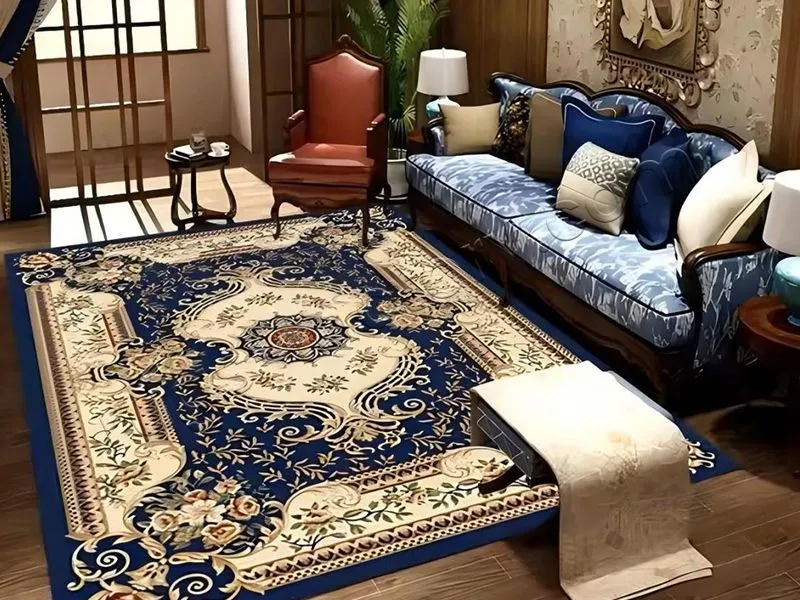
Modern Living Room Carpet Hot Selling Crystal Velvet
YINGYUE is a professional manufacturer specializing in high-quality Crystal Velvet Carpets that combine elegance, comfort, and durability. Our carpets are made from premium polyester crystal velvet fibers, providing a soft, elastic, and long-lasting texture that is comfortable underfoot.
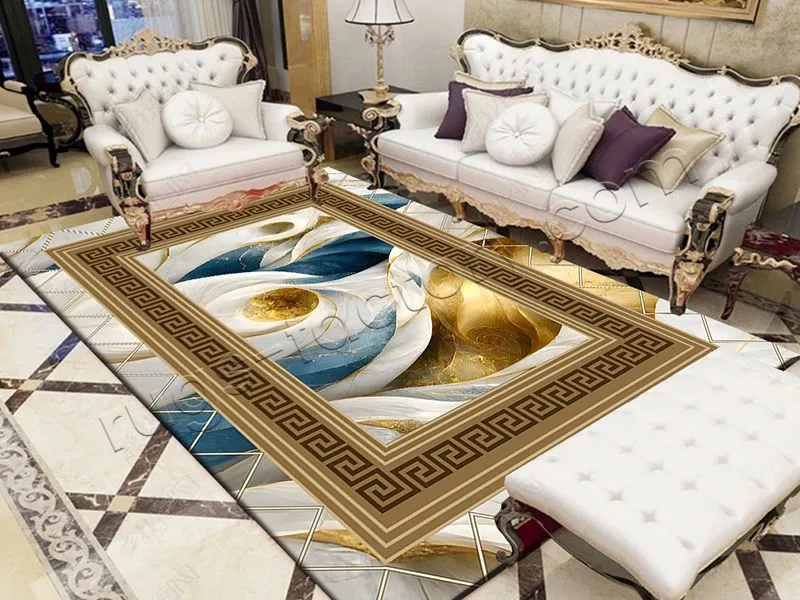
Gold Diamond Velvet Non-Slip Carpet Can be Used for Different Areas
YINGYUE is a professional manufacturer specializing in the production of Gold Diamond Velvet Carpets, offering elegant and durable flooring solutions for various commercial and residential settings.

Velvet Carpet Crafted From Durable Polyester for Lasting
This is a kind of comfortable, wear-resistant and durable velvet carpet, which is used digital printing.
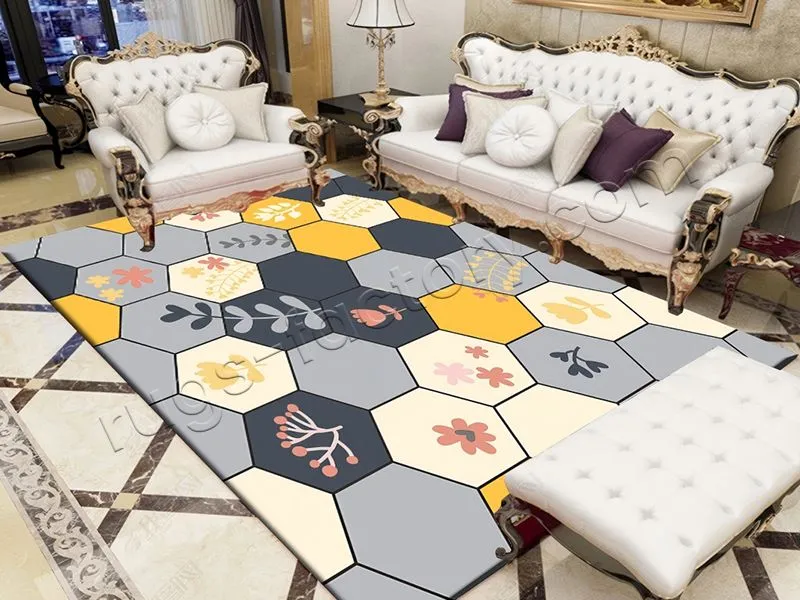
Modern Abstract Crystal Velvet Carpet
This type of carpet is widely loved and welcomed by young people due to its rich patterns.

The Geometric series of carpets are widely used in various home scenarios, such as living rooms, bedrooms, studies, etc.

YUEJIA kitchen floor mat is a practical household item. It is mainly used on the kitchen floor and has multiple functions such as anti-slip, water absorption and wear resistance.

Ours bathroom mat is specially designed for bathroom environments, mainly serving to prevent slipping, absorb water, and keep the bathroom dry and clean.

The irregular-shaped floor MATS of YUEJIA have unique advantages in decorating Spaces.

To provide customers with high-quality floor decoration and a convenient installation experience, we have designed and manufactured square carpets.

This plush carpet has a long, delicate pile with a warm brown tone.

