
If you are interested in our products or would like to learn more information, please Contact Us

 Language




 Language

Mar. 24, 2026
There is no carpet that can completely eliminate allergens. However some carpet types are much better at reducing dust, pet dander, and moisture buildup. The best choices focus on low pile height tight fiber construction and easy cleaning performance. These factors are more important than appearance alone.
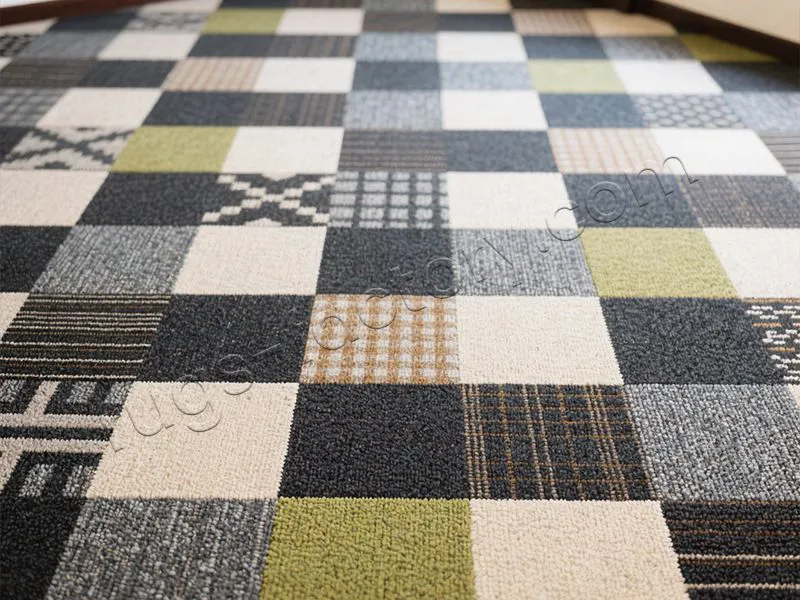
Nylon carpet is often considered the most reliable option for people with allergies. The fiber structure is dense and strong which means dust and allergens do not settle deeply into the material. This makes vacuuming more effective and improves daily hygiene.
Nylon also handles frequent cleaning well. It resists wear in high traffic areas and does not break down easily over time. In homes where allergies are a concern a low pile nylon carpet provides a practical balance between comfort and cleanliness.
Wool is a natural fiber that offers good performance in indoor air quality. It has a structure that naturally resists dust mites and it does not release high levels of chemical emissions. This makes it a strong option for people who prefer natural materials.
Wool can also help regulate indoor humidity which reduces conditions that support allergens. However it requires more regular maintenance. If dust builds up in the fibers it needs consistent cleaning to maintain its benefits.
Polyester carpet is a softer and more affordable option. It has good resistance to moisture which helps reduce mold growth in humid environments. It is comfortable underfoot and widely used in residential spaces.
Its main limitation is durability. It performs best in low pile designs and in areas with moderate foot traffic. When properly maintained it can still be a reasonable choice for allergy sensitive homes.
Material is important but structure has an even greater impact on allergen control. Low pile carpets are easier to clean because dust stays near the surface instead of being trapped deep inside fibers. Tight woven or dense constructions also reduce the space where allergens can settle.
High pile or shag carpets should be avoided because they trap more dust and are harder to clean thoroughly. In allergy sensitive environments simplicity in design often leads to better air quality.
Even the best carpet will collect dust if it is not maintained properly. Regular vacuuming using a HEPA filter is one of the most effective ways to control allergens. Deep cleaning at regular intervals also helps remove particles that are embedded deeper in the fibers.
Keeping indoor humidity at a balanced level is also important because moisture encourages dust mites and mold growth. Quick cleaning of spills prevents long term contamination.
The best carpet for allergy sufferers depends on combining the right material with the right structure. Low pile nylon carpet is generally the most practical option. Wool carpet is the best natural alternative. Polyester carpet can work well in budget focused situations when properly selected.
In all cases low pile construction tight weaving and consistent cleaning are the key factors that determine how allergy friendly a carpet will be.
Latest News
Apr. 27, 2026
Mixing tiles with other flooring materials is a practical and modern design approach. It helps define spaces, improve functionality, and create visual contrast in homes and commercial interiors. When done correctly, the transition between materials feels natural and improves both aesthetics and usability.
Apr. 16, 2026
Carpet installation looks simple on the surface, but small mistakes during preparation or fitting can lead to wrinkles, uneven surfaces, early wear, and even costly replacement. A properly installed carpet should stay tight, smooth, and durable for years, but that depends heavily on correct installation practices.
Mar. 24, 2026
There is no carpet that can completely eliminate allergens. However some carpet types are much better at reducing dust, pet dander, and moisture buildup. The best choices focus on low pile height tight fiber construction and easy cleaning performance.
Mar. 12, 2026
Choosing the right tiles for each room affects durability, comfort, maintenance, and overall interior style. Different spaces have different demands—wet areas need water resistance, living areas focus on aesthetics, and outdoor spaces require strength and slip resistance.
Feb. 24, 2026
Mats are one of the most frequently used items in any home or commercial space. They trap dirt, moisture, and debris every day, which means they wear out faster than most flooring textiles. Proper cleaning and maintenance not only keep them looking good but also significantly extend their lifespan.
Feb. 10, 2026
Carpet design in 2025 is moving away from purely neutral, minimal flooring toward more expressive, functional, and sustainable choices. Modern homeowners are focusing on comfort, personality, and eco-friendly materials, while still keeping interiors clean and contemporary.
Jan. 21, 2026
Modern hypoallergenic carpets focus on low fiber retention, moisture resistance, and easy maintenance rather than trying to eliminate allergens entirely.
Jan. 07, 2026
Aircraft carpets play a vital role in enhancing cabin comfort, safety, and overall passenger experience. Designed to meet strict aviation standards, these specialized carpets must deliver exceptional durability, fire resistance, and design flexibility while maintaining lightweight performance.
Dec. 25, 2025
Decorative rugs add character, color, and warmth to living spaces, offices, hotels, and commercial interiors. To keep them looking beautiful and extend their lifespan, proper cleaning and maintenance are essential.
Dec. 10, 2025
Non-slip mats play a crucial role in preventing slips and falls in both residential and commercial environments. From homes and offices to hotels, factories, and public spaces, choosing the right non-slip mat significantly improves safety and reduces accident risks.
Contact Us
If you are interested in our products or would like to learn more information, please Contact Us
Tel.: +86 188 3411 2020
E-mail: grace@hbyingyue.com
Our knowledgeable team is here to help
Our team is made up of experienced experts who can't wait to help you find the right solution for your business.
Related Products
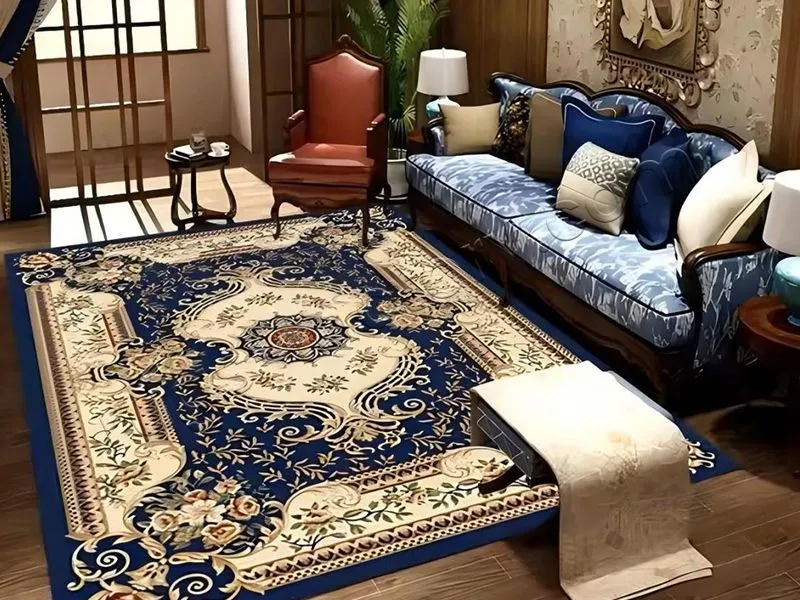
Modern Living Room Carpet Hot Selling Crystal Velvet
YINGYUE is a professional manufacturer specializing in high-quality Crystal Velvet Carpets that combine elegance, comfort, and durability. Our carpets are made from premium polyester crystal velvet fibers, providing a soft, elastic, and long-lasting texture that is comfortable underfoot.
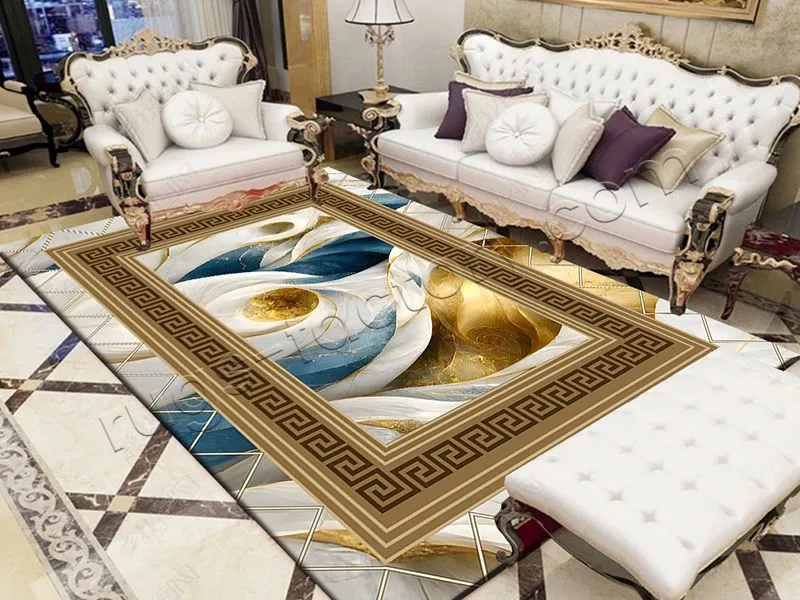
Gold Diamond Velvet Non-Slip Carpet Can be Used for Different Areas
YINGYUE is a professional manufacturer specializing in the production of Gold Diamond Velvet Carpets, offering elegant and durable flooring solutions for various commercial and residential settings.

Velvet Carpet Crafted From Durable Polyester for Lasting
This is a kind of comfortable, wear-resistant and durable velvet carpet, which is used digital printing.
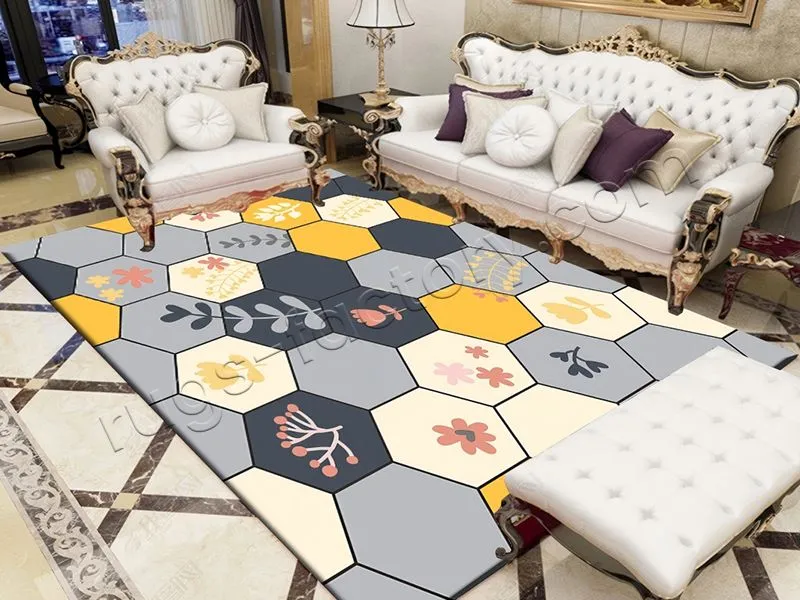
Modern Abstract Crystal Velvet Carpet
This type of carpet is widely loved and welcomed by young people due to its rich patterns.

The Geometric series of carpets are widely used in various home scenarios, such as living rooms, bedrooms, studies, etc.

YUEJIA kitchen floor mat is a practical household item. It is mainly used on the kitchen floor and has multiple functions such as anti-slip, water absorption and wear resistance.

Ours bathroom mat is specially designed for bathroom environments, mainly serving to prevent slipping, absorb water, and keep the bathroom dry and clean.

The irregular-shaped floor MATS of YUEJIA have unique advantages in decorating Spaces.

To provide customers with high-quality floor decoration and a convenient installation experience, we have designed and manufactured square carpets.

This plush carpet has a long, delicate pile with a warm brown tone.

